
Age of Fear
Building Narrative Strategy for a Year-Long Live-Service Storytelling
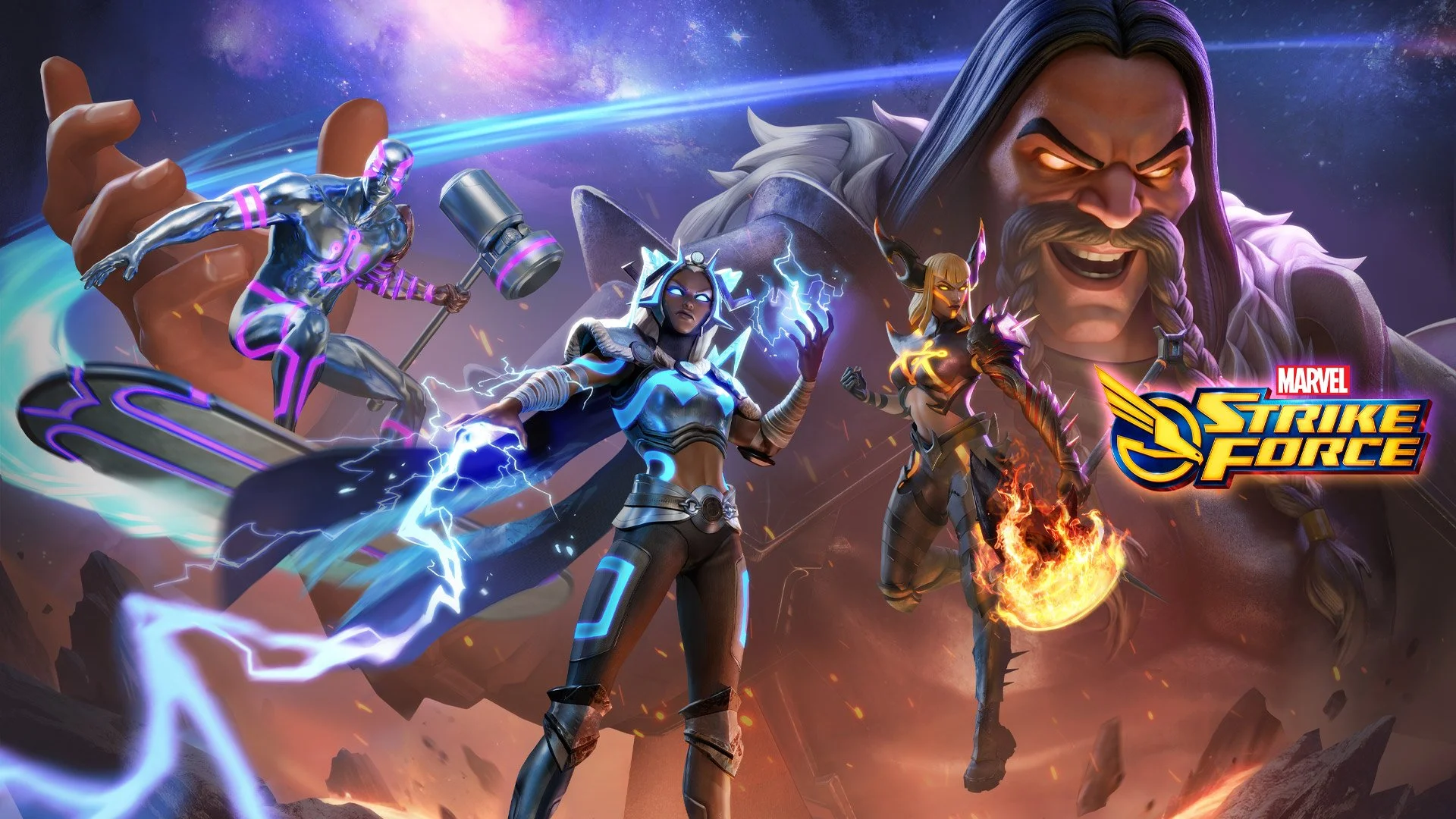
As my role evolved beyond mission design and dialogue writing, I began taking on greater responsibility for narrative planning, thematic direction, and cross-functional story alignment.
Age of Fear is a large-scale live-service storyline spanning multiple events, character releases, gameplay initiatives, and external franchise opportunities. My role was to help establish the narrative framework that connected these pieces into a cohesive player experience.
This case study is a sanitized overview of my process and contributions. Specific production materials, internal planning documents, and unreleased content have been omitted.
Overview
Responsibilities
Throughout the project, I contributed to both high-level narrative planning and player-facing implementation.
My responsibilities included:
Establishing narrative pillars and thematic direction
Contributing to long-form story planning
Mapping event-to-event narrative progression
Integrating character releases into the overarching storyline
Supporting alignment between narrative, design, production, and marketing
Writing mission dialogue and narrative content
Creating narrative documentation and story summaries
Collaborating on narrative messaging across player-facing materials
The Challenge
Live-service storytelling presents a unique design challenge. Individual events must be satisfying on their own, but they also need to contribute to a larger narrative that unfolds over months or even years. At the same time, the story must remain flexible enough to accommodate changing production needs, gameplay features, character releases, and collaboration opportunities.
For Age of Fear, the challenge was creating a narrative framework that could:
Support a year-long storyline
Maintain thematic consistency across multiple events
Integrate character releases into the larger narrative
Align with gameplay features and product goals
Support external franchise initiatives
Deliver a cohesive experience to players despite evolving production realities
Narrative Pillars
To create consistency across multiple events, characters, and gameplay initiatives, I established a set of narrative pillars that served as a framework for story development and decision-making throughout the storyline.
Character-Driven Conflict
Conflict emerges from character beliefs, fears, and personal choices rather than external plot requirements. This approach helps ensure that major story developments feel earned and emotionally resonant.
Meaningful Consequences
Actions create visible and lasting impact on characters, relationships, and the broader narrative landscape. Consequences help reinforce player investment by ensuring events feel significant rather than isolated.
Grounded Stakes, Elevated Drama
Large-scale conflicts are anchored in personal experiences and emotional truths. Even when stories involve world-altering threats, the narrative remains focused on the individuals affected by those events.
Character Integration
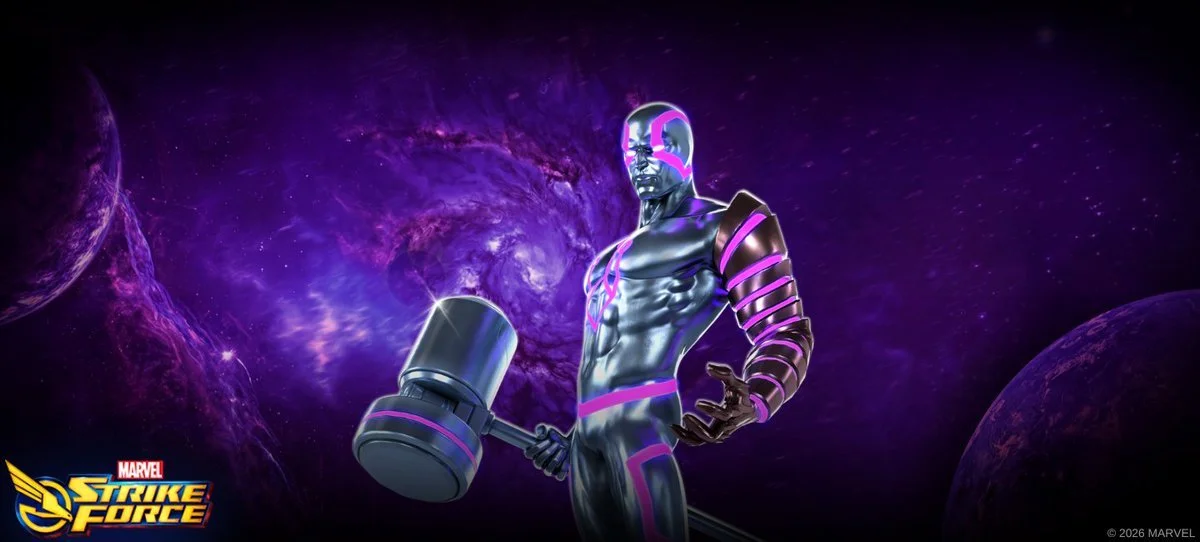
One of the most rewarding parts of the project was finding ways to connect character releases to the larger narrative. In live-service games, characters can easily feel disconnected from the ongoing story if they are introduced solely because they are being released. My goal was to ensure that each major character felt narratively motivated and contributed to the storytelling’s broader themes.
For each character, I considered:
Why are they entering the story now?
What aspect of the narrative pillars do they represent?
How do they challenge or support existing characters?
What new perspective do they bring to the conflict?
How does their story connect to future content?
This process helped create stronger continuity between releases and reinforced the larger narrative arc.
Translating Strategy Into Player-Facing Content
While contributing to the larger narrative direction, I also remained actively involved in implementation.
This included:
Mission intros and outros
Event dialogue
Character interactions
Story summaries
Narrative support for gameplay objectives
Because mission dialogue operates under strict line-count and pacing constraints, every line needed to accomplish multiple goals simultaneously:
Advance the story
Maintain character voice
Support gameplay motivation
Reinforce thematic goals
Create anticipation for future content
Narrative Beyond Gameplay
To create a cohesive player experience, I collaborated with multiple disciplines to ensure that narrative themes and story beats were communicated consistently across player-facing materials.
Marketing Collaboration
To support the launch and major beats of the storyline, I partnered with the Marketing team on a public-facing hype trailer. While Marketing owned production of the trailer, I contributed narrative feedback focused on:
Story pacing
Reveal timing
Character emphasis
Emotional escalation
Music and tonal transitions
Alignment with the storyline's themes and narrative pillars.
The goal was to make sure that the trailer delivered the same emotional journey and thematic experience players would encounter in-game.
Cross-Functional Collaboration
A major component of this work involved aligning narrative goals across multiple teams.
I regularly collaborated with:
Design
Production
Marketing
Art
Implementation
Quality Assurance
The objective was not simply to tell a story, but to ensure that narrative goals supported broader gameplay, production, and player-experience objectives. This required balancing creative ambition with practical development constraints while maintaining a consistent narrative vision.
Outcomes
The Age of Fear storyline demonstrated the value of treating narrative as a shared framework rather than a collection of isolated events. By establishing narrative pillars, supporting long-term planning, integrating character releases, and collaborating across disciplines, we created a stronger foundation for storytelling across the live-service experience.
This work helped strengthen:
Event-to-event continuity
Character integration
Cross-team alignment
Narrative consistency
Player investment in the larger storyline
What This Project Demonstrates
This project reflects the type of narrative design work I am most passionate about. Not simply writing story content, but helping define how the story functions within a live-service game.
It demonstrates my ability to:
Build narrative frameworks
Create thematic direction
Support long-form storytelling
Integrate narrative with gameplay goals
Collaborate across disciplines
Translate strategy into player-facing content
Support narrative experiences both inside and outside the game
Reflection
Age of Fear reinforced something I believe strongly about narrative design:
The most successful stories are not created in isolation.
They emerge when narrative, gameplay, production, marketing, and player experience are all working toward the same goal. My favorite part of the project was helping create that alignment and seeing how a shared narrative vision could strengthen every aspect of the player experience.
All artwork and characters are the property of Marvel and Scopely and are used solely to illustrate publicly released content. Proprietary production materials and internal planning documents have been omitted.