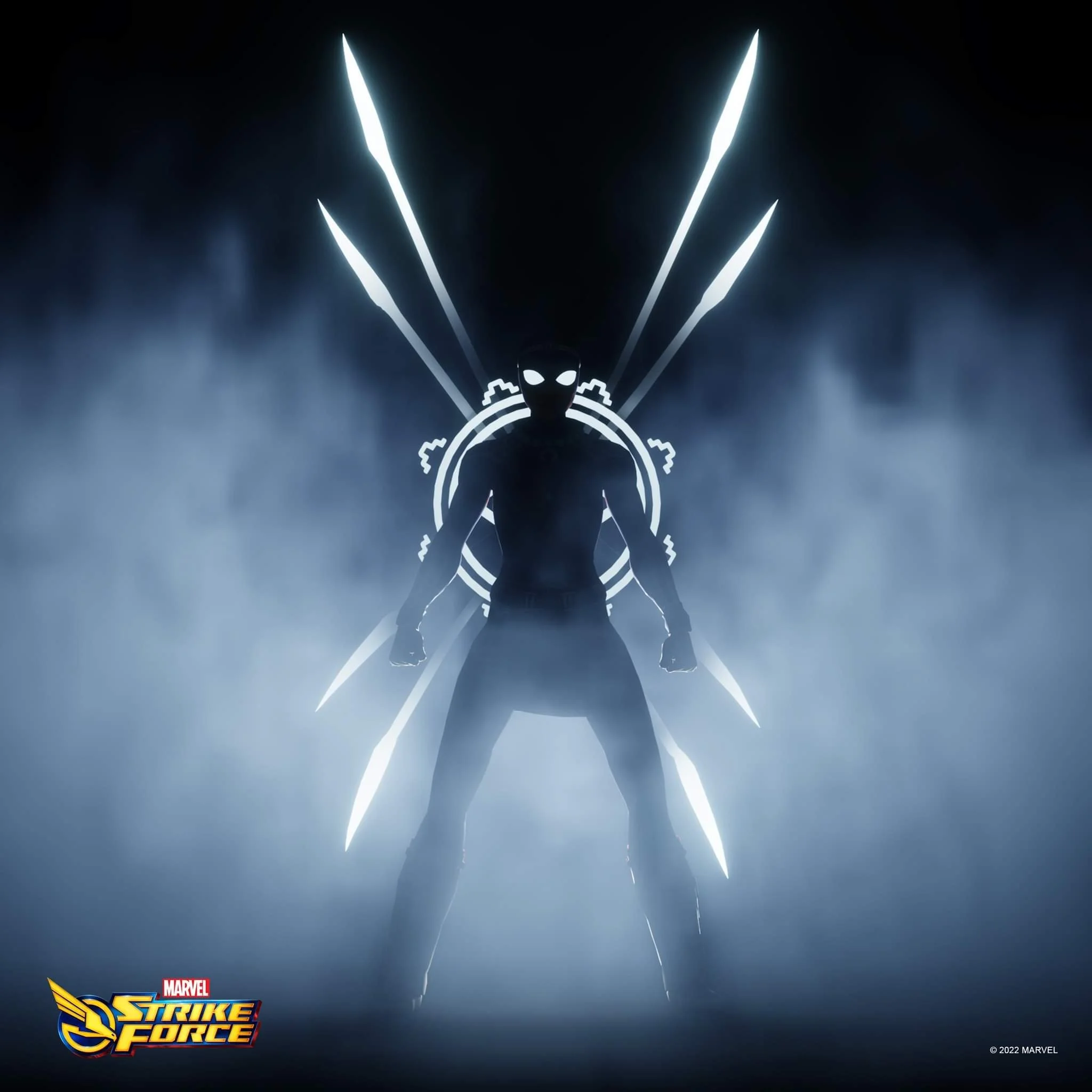
Spider-Weaver
Creating an Original Marvel Hero
Project Overview
Role: Narrative Designer / Game Designer
Project: Original Marvel Character Creation and Event Campaign
Responsibilities:
Character conception and narrative development
Pitch creation and stakeholder alignment
Event ownership and implementation
Narrative design and dialogue writing
Cross-functional collaboration
Character authenticity and cultural research
The Challenge
In celebration of Spider-Man’s 60th Anniversary, Marvel approached the team with an opportunity to create a new and original Spider-Verse character, but the challenge wasn’t simply to create another Spider-Hero.
The character needed to:
Feel authentic within the Marvel Universe
Bring something new to the Spider-Verse
Support gameplay needs and a major character release
Sustain an event campaign capable of introducing the character to players
My goal was to create a hero whose identity, powers, and story were inseparable from the culture that inspired me.
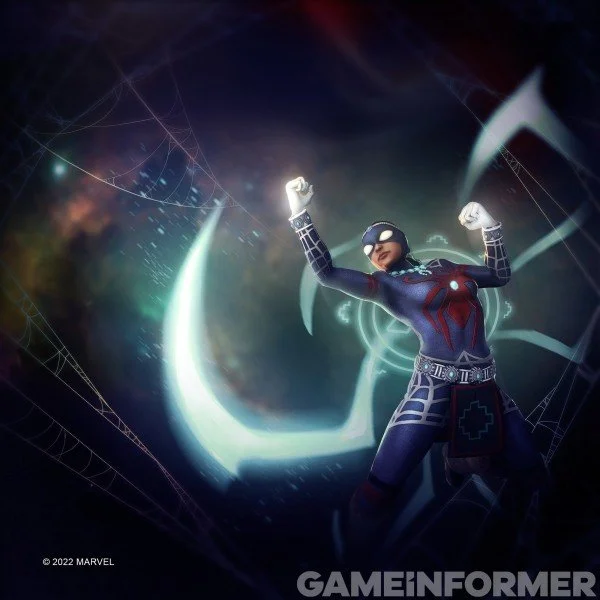
Inspiration
Growing up in inner-city Los Angeles, I spent a great deal of time around an older Navajo gentleman who frequently shared stories about his life, his people, and the traditions that shaped him. One lesson stayed with me: Stories are woven. They carry identity, responsibility, and connection across generations. That philosophy became the foundation for Spider-Weaver.
Rather than creating a character whose powers happened to reference weaving, I wanted to create someone whose worldview, motivations, abilities, and visual identity all emerged from the same cultural foundation.
My Contributions
Character Creation
I originated the character concept and developed the initial narrative vision. To communicate the concept internally, I created a pitch deck that included:
Character backstory
Narrative themes
Visual references
Cultural inspiration
Gameplay opportunities
Event integration possibilities
After internal approval, I owned the creation of the pitch deck presented to Marvel.
Authenticity Through Collaboration
One of my primary goals was to make sure that Spider-Weaver felt authentic rather than superficial. To achieve this, I worked closely with:
Art
Combat Design
Product
External cultural consultant
Together, we evaluated every aspect of the character through both narrative and gameplay lenses. Questions we explored included:
How would this character move?
What would her powers look like?
How would her culture influence her decisions?
How could her visual design communicate her identity?
How could gameplay reinforce her narrative role?
Narrative Design Through Gameplay
One of our most interesting challenges was to translate these narrative ideas into gameplay systems. Spider-Weaver lives in the deserts of the American Southwest. Traditional Spider-Man-style web-slinging didn’t feel appropriate for that environment. Instead, we explored movement and combat inspirations rooted in desert-dwelling spiders. This approach helped create a character whose gameplay identity felt distinct from existing Spider-Verse heroes while remaining grounded in her story.
Similarly, her powers were designed around her connection to the Web of Life and Destiny. Rather than functioning as a purely offensive character, her abilities focused on protecting and guiding Spider-People throughout the multiverse, reinforcing her role as a guardian and caretaker.
My goal throughout development was to ensure that gameplay, narrative, visual design, and character identity all supported one another.
Event Ownership
Following successful narrative contributions on previous content, I was given ownership of Spider-Weaver’s launch event. This included:
Story outline creation
Dialogue writing
Mission narrative design
UI text creation
Enemy encounter creation
Character storytelling implementation
Collaboration with Art, Localization, and Quality Assurance
Content release support
Narrative Goals
This event needed to:
Introduce players to a brand new Marvel hero
Establish her place within the Spider-Verse
Support Spider-Man’s 60th Anniversary celebration
Remain authentic to existing Marvel character voices
Encourage player investment in the character’s future story
Outcome
Spider-Weaver successfully launched as one of MARVEL Strike Force’s original characters and became a major part of the game’s evolving narrative. Beyond the character herself, this project demonstrated my ability to:
Develop original IP within an established franchise
Build narrative concepts from pitch through release
Align narrative goals with gameplay design
Collaborate across disciplines
Balance authenticity, player experience, and production constraints
Deliver live-service narrative content at scale
Reflection
Spider-Weaver remains one of the most meaningful projects of my career because it required far more than writing. The project challenged me to think as a narrative designer, game designer, collaborator, and advocate for authentic representation. Most importantly, it reinforced a lesson that continues to guide my work today:
Strong narrative design happens when story, gameplay, art, and player experience are woven together into a single cohesive vision.